
Disclosure: As an Amazon Associate I earn from qualifying purchases. How this site works
Where to Buy a TV Antenna
Each category below links to current listings on Amazon (opens in a new tab). Use this checklist to compare TV antennas before you buy.
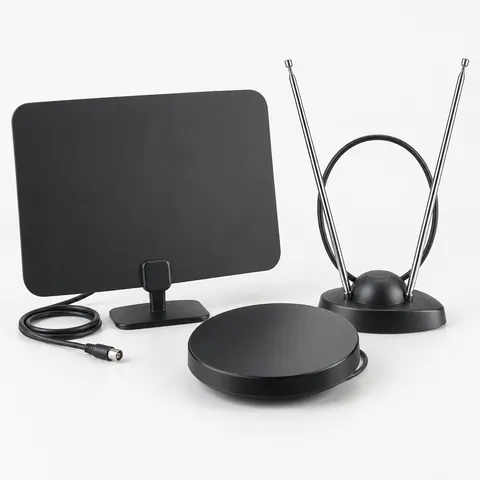 Indoor TV antennas
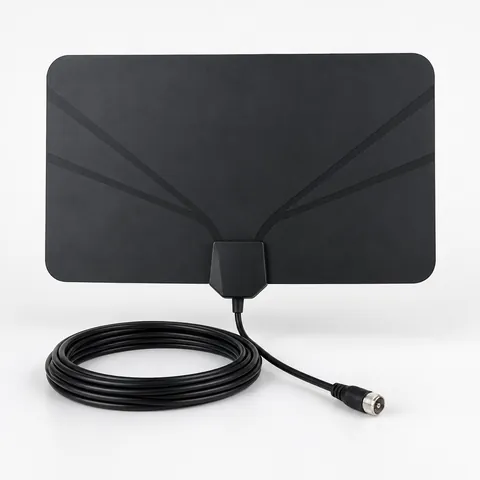 Attic TV antennas
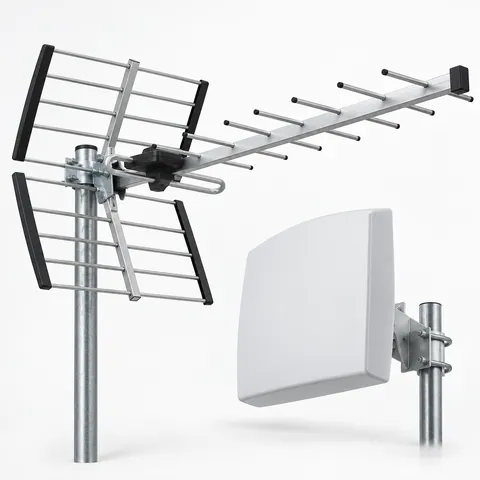 Outdoor TV antennas
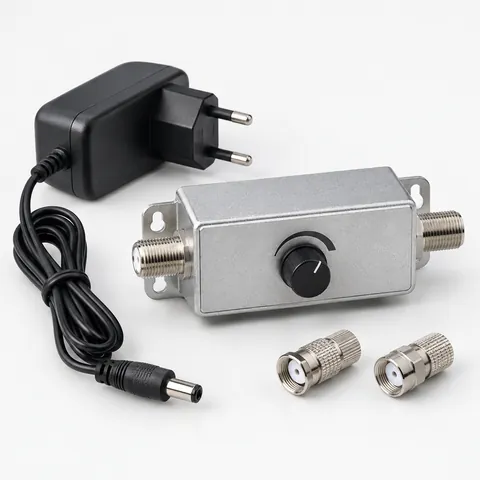 TV signal amplifiers
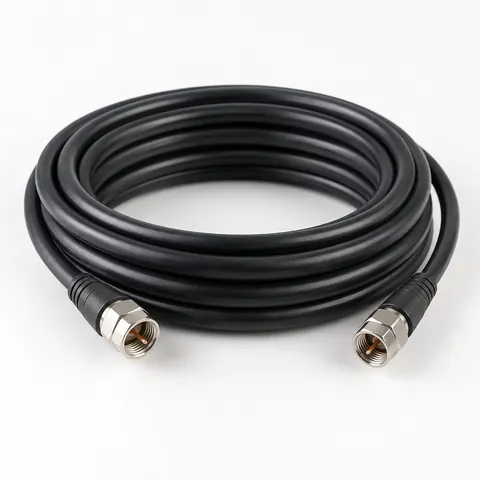 RG6 coax cable
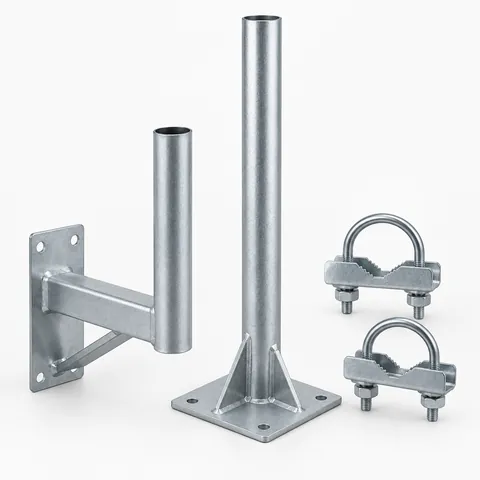 Antenna mounts and masts
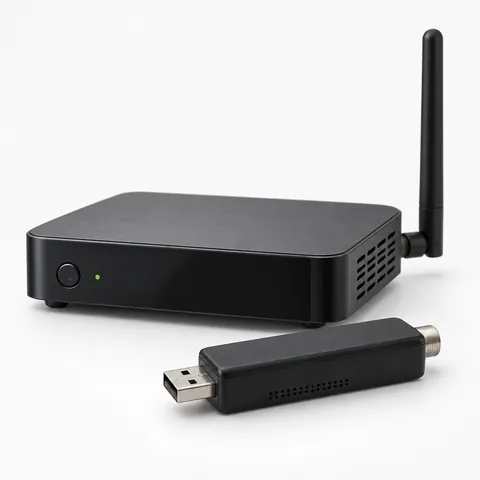 ATSC 3.0 tuners
Before you buy
- Check your reception map for distance, direction and band.
- Confirm the antenna supports VHF if you need it.
- Decide indoor, attic or outdoor.
- Check cable length and connector type.
- Read the returns policy — reception can only be tested at home.
Categories referenced on this site
- Indoor TV antennas
- Attic TV antennas
- Outdoor TV antennas
- TV signal amplifiers
- RG6 coax cable
- Antenna mounts and masts
- ATSC 3.0 tuners
Keep the box
Because reception can only be judged at your address, keep packaging until you have tested the antenna in its final position.
Is it better to buy a TV antenna online or in a store?
Both options can work, but they solve different problems. Buying online usually gives you more styles, sizes, mounting options, and replacement parts in one place. Buying in a local store can be useful if you want the antenna the same day or want to see the size of the antenna before bringing it home.
| Where to buy | Best for | What to watch |
|---|---|---|
| Online marketplace | Comparing many indoor, attic, outdoor, amplifier, cable, and mount options | Listings may use broad range claims, so verify band support, dimensions, and included parts |
| Electronics or big-box store | Same-day pickup and easy local returns | Selection may be limited, especially for attic and outdoor models |
| Hardware store | Outdoor mounting supplies, masts, clamps, grounding parts, and basic antennas | Staff may know hardware better than reception requirements |
| Local antenna installer | Roof work, tall masts, grounding, splitters, and difficult reception areas | Ask what equipment they plan to use and whether you own it after installation |
If you are not sure which antenna style will work, choose a seller with a clear return window and avoid damaging the packaging during setup. Reception is location-specific, so a model that works across town may not work the same way at your home.
What should I look for on a TV antenna listing?
Do not shop by advertised range alone. Range numbers are estimates and often assume clear conditions that your home may not have. A better listing gives you enough detail to match the antenna to your reception map, your mounting location, and your TV setup.
- Band support: Check whether the antenna receives UHF, VHF-High, and, if needed in your area, VHF-Low. Many flat indoor antennas are strongest on UHF and may not be the right choice for VHF stations.
- Antenna type: Make sure the product is actually meant for indoor, attic, or outdoor use. Outdoor antennas should list weather-resistant materials or outdoor-rated construction.
- Dimensions: A larger antenna may perform better in weak-signal areas, but it also needs space, mounting clearance, and a safe path for the coax cable.
- Included cable: Some antennas include a short coax cable, while others include none. Plan the full cable run rather than assuming the included cable will reach.
- Connector type: Most TV antenna setups use F-type coax connectors. Avoid adapters unless you know why you need them.
- Amplifier details: If an amplifier is included, check whether it can be removed or adjusted. Too much gain can overload a strong signal.
- Mounting hardware: For attic and outdoor antennas, confirm whether a mast, clamp, bracket, or base is included or sold separately.
- Power requirements: Amplified antennas and some distribution devices need a power inserter or USB power. Make sure you have an outlet or powered USB port in the right place.
For a simple setup near the broadcast towers, a basic indoor antenna may be enough. For long cable runs, multiple TVs, or weaker signals, read the listing more carefully because the antenna is only one part of the system.
What parts should I buy with a TV antenna?
Many first-time buyers order only the antenna, then discover they need one or two more parts to finish the installation. Before buying, sketch the path from the antenna to the TV or tuner and note where the cable will run, where the antenna will sit, and whether anything needs to be mounted.
- Measure the cable path with slack. Do not measure in a straight line unless the cable will actually run that way. Add extra length for turns, drip loops outdoors, and moving the TV.
- Decide how the antenna will be held in place. Indoor antennas may need a window, wall, shelf, or stand. Outdoor and attic antennas usually need a mast, bracket, or rafter mount.
- Count the devices. One TV is simple. Multiple TVs may require a splitter, stronger signal margin, and careful cable routing.
- Check whether you need amplification. An amplifier can help with cable loss or splitting, but it cannot create signal where the antenna receives almost none.
- Plan for grounding on outdoor installations. Follow local code and the antenna manufacturer instructions, especially for mast and coax grounding.
For attic and outdoor installs, use solid, outdoor-rated or in-wall-rated cable where appropriate, not thin mystery cable that came in a box years ago. A run of RG6 coax cable is the standard choice for most home antenna wiring because it is widely compatible and handles TV frequencies well.
If the antenna will be outside, also think about how you will aim it safely. A roof is not worth the risk if you do not have the right ladder, footing, weather conditions, and help. In that case, consider a lower wall mount, attic placement, or a professional installer.
How can I avoid buying the wrong TV antenna?
The most common mistake is buying the antenna with the biggest claim on the package without checking whether it matches your stations. Start with your reception map, then choose the smallest, simplest setup that covers the channels you actually want. Bigger and amplified are not automatically better.
- If most wanted stations are close and in one direction, start simple and avoid unnecessary amplification.
- If stations are in different directions, check whether the antenna has a wide reception pattern or whether you are willing to rotate or reposition it.
- If important stations are on VHF, do not rely on a UHF-only design.
- If your home has foil-backed insulation, stucco with metal mesh, a metal roof, or thick masonry walls, expect indoor reception to be harder.
- If the TV will be far from the antenna or feed several rooms, plan the cable, splitter, and possible amplifier before buying.
- If you live in an apartment or rental, confirm where you are allowed to mount the antenna and whether you can run cable without damage.
A good buying plan is to test in stages. Try the antenna near a window or high wall first, then move higher or farther from electronics if the signal breaks up. Only add an amplifier after you have tried better placement and a clean cable run.
For rural homes, fringe areas, or blocked locations, an outdoor TV antenna often gives you the best chance because it can be mounted higher and away from indoor obstacles. That does not guarantee every channel, but it removes several common indoor reception problems.
Frequently asked questions
Can I buy a TV antenna at a local store?
Yes. Local electronics, big-box, and hardware stores often carry basic indoor antennas and some mounting supplies. The trade-off is that the selection may be smaller than online, especially if you need VHF support, an attic antenna, or a larger outdoor model.
Should I buy the most expensive TV antenna I can find?
Not automatically. The right antenna depends on distance, direction, band, building materials, and mounting location. A modest antenna in a good spot can outperform a larger or amplified antenna placed in a poor spot.
Do I need an amplified antenna?
Maybe, but start with placement and antenna type first. Amplification can help offset cable loss or splitter loss, but it can also overload strong signals or amplify noise. If you buy an amplified model, it is helpful if the amplifier can be removed, bypassed, or adjusted.
Can I return a TV antenna if it does not work at my house?
That depends on the seller, so check the return policy before opening or installing anything. Keep the box, accessories, manuals, and protective packaging until you have scanned channels and watched the stations you care about. Avoid drilling, cutting cable, or permanently mounting parts until the test is successful.
Do I need a new tuner when I buy a TV antenna?
Most modern TVs have a built-in over-the-air tuner for current broadcasts. If your display does not have a tuner, or if you want newer broadcast features where available, you may need a separate tuner box. Check your TV manual or settings menu for an antenna or air channel scan option.
Disclosure: As an Amazon Associate I earn from qualifying purchases. This site may earn a commission when you buy through its links, at no extra cost to you. Product details come from public manufacturer information; always check the merchant page for current specifications and prices. We have not hands-on tested the products described here.